Claiming the Home Accessibility Tax Credit (HATC)
Claiming the Home Accessibility Tax Credit in Canada: Complete Guide to Eligibility, Expenses, and Filing

The Home Accessibility Tax Credit (HATC) is a valuable financial resource designed to assist Canadians in making their homes more accessible for individuals with disabilities or those aged 65 and older. This comprehensive guide will provide you with essential information on eligibility requirements, eligible expenses, and the filing process for the HATC. Many Canadians face challenges in adapting their living spaces to meet accessibility needs, which can lead to increased costs and stress. The HATC offers a solution by providing a tax credit that can alleviate some of these financial burdens. In this article, we will explore who qualifies for the HATC, what expenses are eligible, how to claim the credit, and the differences between the HATC and other related tax credits.
Who qualifies for the Home Accessibility Tax Credit? Eligibility requirements explained
To qualify for the Home Accessibility Tax Credit, individuals must meet specific eligibility criteria set by the Canada Revenue Agency (CRA). This section will detail the age and disability requirements, as well as the eligibility of supporting relatives.
What are the age and disability criteria for qualifying individuals?
Individuals aged 65 or older at the end of the tax year, or those who are eligible for the Disability Tax Credit, can qualify for the HATC. The age requirement ensures that seniors can access necessary modifications to maintain their independence and safety at home. Additionally, individuals with disabilities who meet the CRA's criteria can also benefit from this tax credit, allowing them to make essential home modifications that enhance their quality of life.
Can supporting relatives or spouses claim the HATC on behalf of others?
Yes, supporting relatives or spouses can claim the HATC on behalf of eligible individuals. This provision allows family members to assist their loved ones in accessing the tax credit, ensuring that necessary home modifications can be made without financial strain. To claim the credit, the supporting relative must provide the required documentation and demonstrate that the expenses were incurred for the benefit of the eligible individual.
What home accessibility expenses are eligible for the HATC?

Understanding which expenses qualify for the HATC is crucial for maximizing the benefits of this tax credit. This section will outline the types of renovations and alterations that are eligible, as well as expenses that are excluded.
Which renovations and alterations qualify for the tax credit?
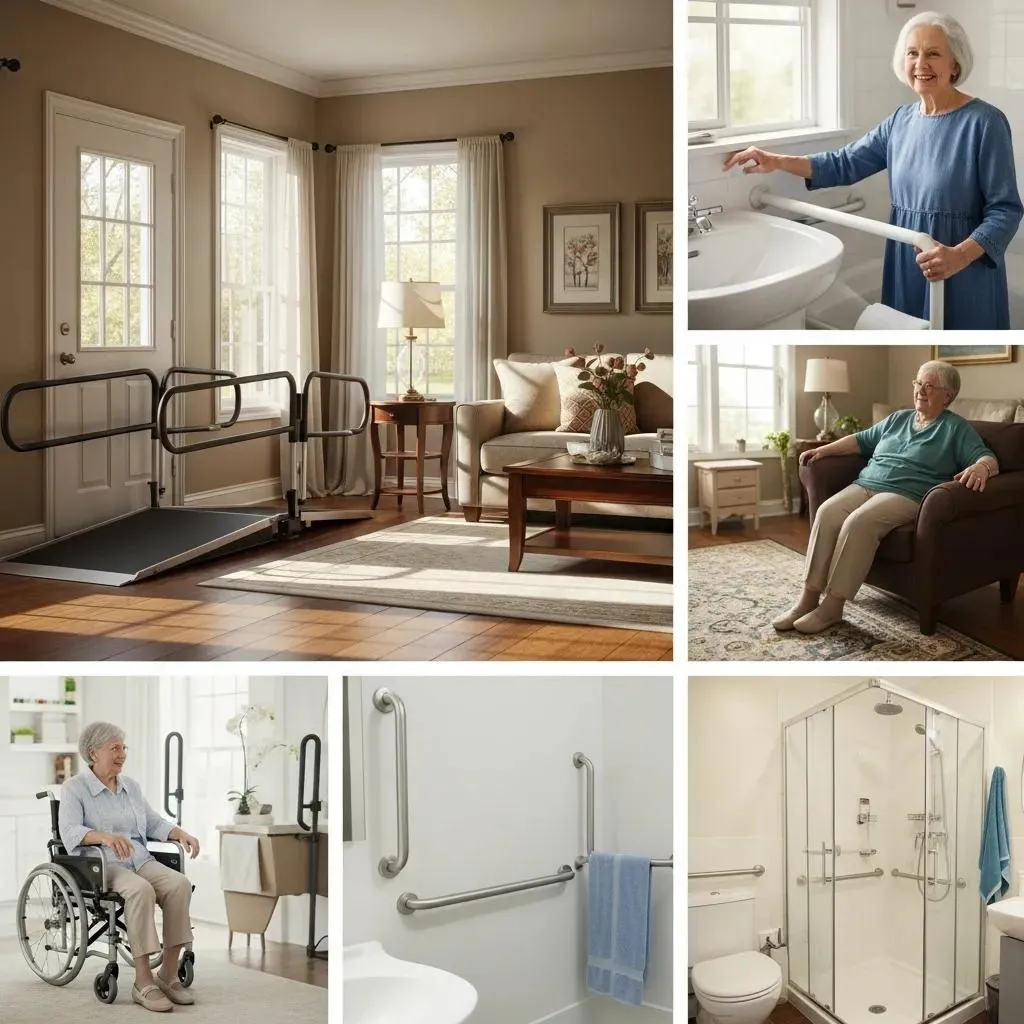
Eligible renovations for the HATC include modifications that improve accessibility and safety within the home. Common examples are the installation of wheelchair ramps, grab bars, and walk-in bathtubs or showers. These modifications are designed to enhance mobility and reduce the risk of accidents, making it easier for individuals with disabilities or seniors to navigate their living spaces.
What expenses are excluded or considered ineligible for HATC?
Certain expenses do not qualify for the HATC. Routine maintenance costs, such as painting or general repairs, are excluded from eligibility. Additionally, expenses that are not directly related to accessibility modifications, such as landscaping or non-renovation-related improvements, cannot be claimed under the HATC. Understanding these exclusions is essential for ensuring that only eligible expenses are submitted for the tax credit.
How to claim the Home Accessibility Tax Credit on your tax return

Claiming the HATC involves a straightforward process, but it requires specific forms and documentation. This section will guide you through the necessary steps to successfully file for the credit.
What forms and documentation are required to file the HATC?
To claim the HATC, individuals must complete Schedule 12 and include it with their tax return. This form requires detailed information about the eligible expenses incurred for home modifications. Additionally, supporting documentation, such as invoices and receipts, must be retained to substantiate the claim. Proper documentation is crucial for ensuring that the claim is processed smoothly by the CRA.
How to split claims between multiple eligible individuals?
In cases where multiple eligible individuals reside in the same home, claims can be split among them. Each individual can claim a portion of the eligible expenses, provided that the total amount does not exceed the maximum allowable credit. This process requires clear communication and documentation to ensure that each claimant accurately reports their share of the expenses.
What are the differences between the HATC and Medical Expense Tax Credit?
Understanding the distinctions between the HATC and the Medical Expense Tax Credit (METC) is essential for maximizing tax benefits. This section will compare the two credits and clarify their eligibility criteria.
Can the same expenses be claimed under both credits before 2026?
Before 2026, certain expenses may be eligible for both the HATC and the METC. However, individuals must choose which credit to claim for specific expenses, as double-dipping is not permitted. It is important to evaluate the benefits of each credit to determine the most advantageous option for your situation.
How will the 2026 policy changes affect claiming HATC and METC?
Starting in 2026, the Home Accessibility Tax Credit will be replaced by the new Canada Accessibility Tax Credit (CATC), which will have different eligibility criteria and expense categories. The Medical Expense Tax Credit will continue to exist but may have adjustments in eligible expenses. Staying informed about these developments is crucial for ensuring compliance and maximizing available tax credits.
Are there provincial home accessibility programs and credits in Canada?
In addition to the federal HATC, various provincial programs and credits exist to support home accessibility initiatives. This section will provide an overview of these programs and their interaction with the HATC.
Which provincial initiatives complement the federal HATC?
Several provinces offer their own home accessibility programs that complement the federal HATC. These initiatives may provide additional financial support for home modifications, making it easier for individuals to access necessary resources. Examples include grants and tax credits that target specific accessibility needs within each province.
How do provincial credits interact with the Home Accessibility Tax Credit?
Provincial credits can often be claimed in conjunction with the HATC, allowing individuals to maximize their financial support for home modifications. However, it is essential to understand the specific eligibility requirements and application processes for each program to ensure that all available benefits are utilized effectively.
What records and documentation should you keep for claiming the HATC?
Maintaining accurate records is vital for successfully claiming the HATC. This section will outline the necessary documentation to keep for your claim.
Which invoices, receipts, and agreements are necessary?
To support your claim for the HATC, it is essential to retain all relevant invoices and receipts related to the eligible expenses. These documents should clearly outline the nature of the work performed and the costs incurred. Additionally, any agreements with contractors or service providers should be kept on file to substantiate the claim.
When are medical certificates or additional proof required?
In some cases, medical certificates or additional proof may be required to support a claim for the HATC. This documentation is particularly important for individuals claiming the credit based on disability eligibility. Ensuring that all necessary documentation is in order will help facilitate a smooth claims process with the CRA.
| Expense Type | Description | Eligibility |
|---|---|---|
| Wheelchair Ramps | Installation of ramps for wheelchair access | Eligible |
| Grab Bars | Installation of grab bars in bathrooms | Eligible |
| Walk-in Showers | Modifications to create walk-in showers or bathtubs | Eligible |
| Routine Maintenance | General repairs and upkeep | Ineligible |
| Landscaping | Non-renovation related improvements | Ineligible |
This table summarizes the types of expenses that qualify for the HATC, helping individuals understand what modifications can be claimed.
Home modifications can significantly enhance the quality of life for individuals with disabilities and seniors. By understanding the eligibility criteria, eligible expenses, and the claiming process, Canadians can effectively utilize the Home Accessibility Tax Credit to make their homes safer and more accessible.


