
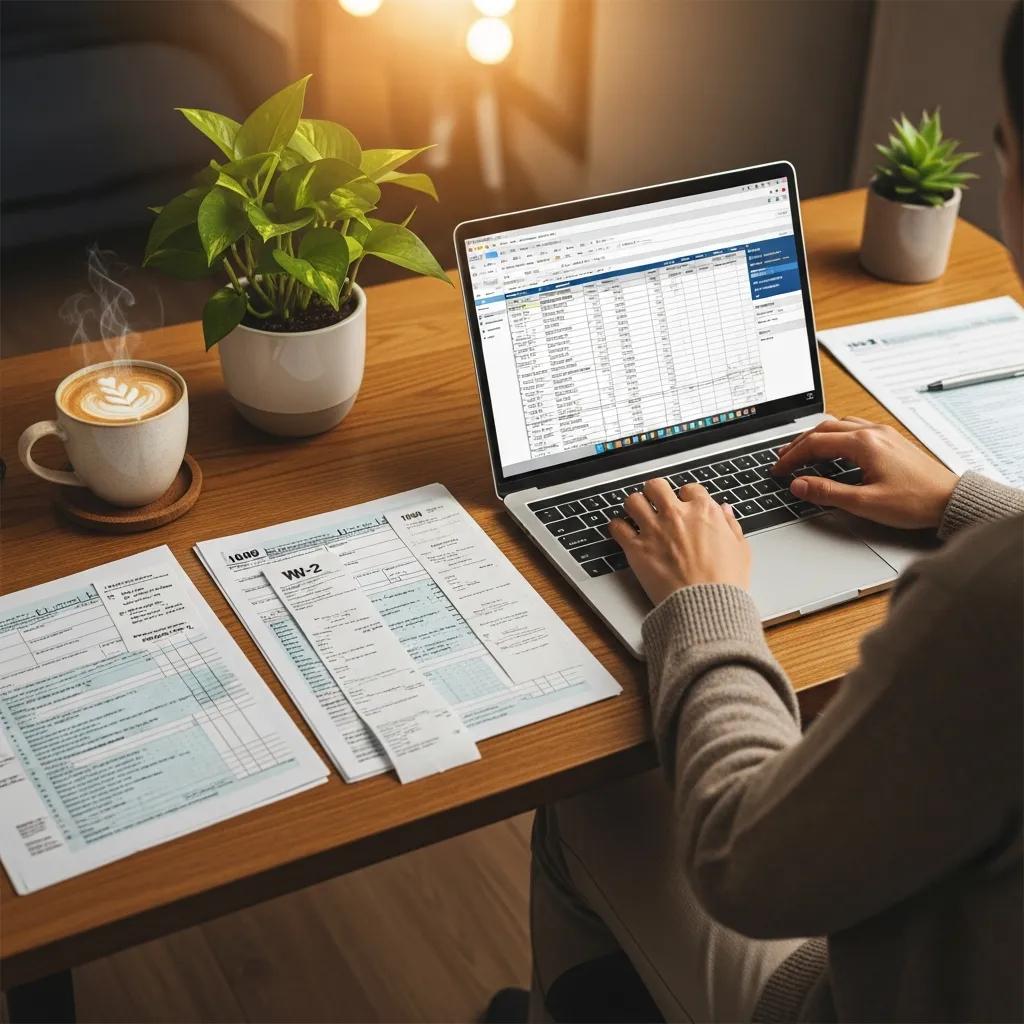
Essential Tax Filing Tips for Individuals
Essential Tax Filing Tips for Canadians: How to Maximize Deductions, Meet Deadlines, and File Taxes Efficiently

Filing taxes can often feel overwhelming, especially with the ever-changing landscape of tax laws and regulations. Canadians will face new challenges and opportunities that can significantly impact their tax returns. This article aims to provide essential tax filing tips that will help you maximize deductions, meet important deadlines, and file your taxes efficiently. Understanding the nuances of tax filing is crucial for minimizing liabilities and ensuring compliance with the latest tax laws. We will explore key changes in tax legislation, strategies for maximizing deductions and credits, necessary documentation, important deadlines, and special considerations for self-employed individuals. By the end of this guide, you will be equipped with the knowledge to navigate the tax filing process confidently.
What Are the Key Tax Law Changes Affecting Canadian Filers?
The tax landscape is constantly evolving, and various legislative updates bring several significant changes that Canadian filers should be aware of. Understanding these changes can help you make informed decisions when preparing your tax return.
Understanding Recent Canadian Tax Legislation
The Canadian tax landscape is constantly evolving, with various legislative updates impacting individual tax returns. Key changes often include adjustments to tax brackets, which may alter your overall tax liability. Additionally, the government frequently introduces or modifies credits aimed at supporting families and specific demographics. For example, changes to the Canada Child Benefit (CCB) or other provincial benefits could provide substantial support for eligible families, making it essential to understand how these changes apply to your situation.
What Are the Basic Personal Amount and Other Key Non-Refundable Credits?
In Canada, the Basic Personal Amount (BPA) is a significant non-refundable tax credit that all individuals can claim, reducing the amount of federal tax they owe. For example, the federal BPA is adjusted annually for inflation. Additionally, there are various other non-refundable tax credits, such as the spouse or common-law partner amount, eligible dependant amount, and age amount, which can further reduce your tax liability. Understanding these credits is crucial for determining your overall tax burden.
How Can Canadians Maximize Tax Deductions and Credits?

Maximizing your tax deductions and credits is essential for reducing your taxable income and increasing your potential refund. Here are some strategies to consider.
Which Common Tax Deductions and Credits Should You Claim to Lower Taxable Income?
Several common deductions and credits can significantly lower your taxable income or reduce your tax payable. These include:
- Registered Retirement Savings Plan (RRSP) Contributions: Contributions to an RRSP are deductible from your taxable income, providing immediate tax savings.
- Child Care Expense Deduction: Parents can deduct eligible child care expenses, which helps reduce their taxable income.
- Medical Expense Tax Credit: If your eligible medical expenses exceed a certain threshold, you can claim a non-refundable tax credit for the excess amount.
Claiming these deductions and credits can help you lower your overall tax liability, making it essential to keep accurate records of your expenses throughout the year.
What Key Tax Credits Can Increase Your Refund or Reduce Liability?
Tax credits directly reduce your tax liability and can significantly increase your refund. Some key credits to consider include:
- Canada Workers Benefit (CWB): Designed for low-income individuals and families, this refundable credit can provide a substantial boost to your refund.
- Canada Child Benefit (CCB): While not a tax credit claimed on your return, this monthly payment for eligible families with children is a significant benefit.
- Tuition, Education, and Textbook Amounts: Students can claim non-refundable tax credits for eligible tuition fees, and unused amounts can be transferred or carried forward.
Understanding the eligibility requirements for these credits is crucial for maximizing your tax benefits.
What Documents Are Needed and How Should You Organize Them for Tax Filing?
Proper documentation is vital for a smooth tax filing process. Organizing your tax documents can save you time and reduce stress.
Which Tax Forms Are Essential: T4, T4A, T1, and Schedules?
The essential tax forms you will need include:
- T4 Slip: Provided by your employer, this slip reports your annual employment income and the taxes withheld.
- T4A Slip: If you received income from other sources like pensions, scholarships, or self-employment (in some cases), you will receive a T4A slip detailing that income.
- T1 General Income Tax and Benefit Return: This is the main form used for individual income tax returns in Canada, where you report your income and claim deductions and credits.
Having these forms ready will streamline your filing process and ensure you report accurate information.
How to Prepare and Organize Your Tax Records for Efficient Filing?
To prepare for tax season, consider the following steps:
- Create a Filing System: Organize your documents by category (income, deductions, credits) to make retrieval easier.
- Use Digital Tools: Consider using tax software to help track your expenses and generate necessary forms.
- Keep Records for at Least Six Years: The Canada Revenue Agency (CRA) recommends keeping your tax records for at least six years in case of an audit.
By implementing these organizational strategies, you can simplify your tax filing process and reduce the likelihood of errors.
When Are the Important Tax Deadlines and How Can You Avoid Penalties?
Staying aware of tax deadlines is crucial for avoiding penalties and ensuring timely filing.
What Are the CRA Filing Deadlines and Extension Dates?
In Canada, the key tax deadlines are as follows:
- April 30: Deadline for most individuals to file their income tax and benefit return.
- June 15: Deadline for self-employed individuals and their spouses or common-law partners to file their income tax and benefit return (though any balance owing is still due by April 30).
Missing these deadlines can result in penalties and interest on any unpaid taxes, so it’s essential to mark your calendar and plan accordingly.
How Does Early Filing Benefit You and What Are the E-filing Advantages?
Filing your taxes early has several benefits:
- Faster Refunds: Early filers often receive their refunds sooner, especially if they choose e-filing.
- Reduced Stress: Completing your taxes early can alleviate the last-minute rush and anxiety.
- E-filing Benefits: E-filing is typically faster and more secure than paper filing, with immediate confirmation of receipt from the CRA.
By taking advantage of early filing, you can enjoy a smoother tax season.
Indeed, the efficiency and security offered by digital tax filing systems are widely recognized as key advantages for taxpayers.
How Do Marital Status and Dependants Affect Your Tax Return?
Your marital status and the number of dependants you claim can significantly impact your tax return.
How to Determine Your Correct Marital Status for Maximum Benefits?
In Canada, your marital status (single, married, common-law, separated, divorced, or widowed) impacts various tax credits and benefits. While there isn't a 'filing status' choice like in some other countries, accurately reporting your marital status is crucial for:
- Spouse or Common-Law Partner Amount: If your spouse or common-law partner has a low income, you may be able to claim this non-refundable tax credit.
- Canada Child Benefit (CCB): Your marital status and family net income are used to calculate your CCB payments.
- Other Income-Tested Benefits: Many federal and provincial benefits are based on family income, which is determined by your marital status.
Choosing the correct marital status can maximize your credits and benefits, so it’s important to evaluate your situation carefully.
Who Qualifies as a Dependant and How Does This Impact Your Taxes?
A dependant is typically a child or relative who lives with you and for whom you provide financial support. Claiming dependants can lead to additional tax benefits, such as:
- Canada Child Benefit (CCB): Provides monthly payments to eligible families with children under 18.
- Child Care Expense Deduction: Helps offset childcare costs for working parents or those attending school.
- Eligible Dependant Amount: If you support a dependant who lives with you and meets certain criteria, you may be able to claim this non-refundable tax credit.
Understanding who qualifies as a dependant can enhance your tax benefits and reduce your overall tax liability.
What Special Tax Situations Should Self-Employed and Gig Economy Workers Know?

Self-employed individuals and gig economy workers face unique tax situations that require careful consideration.
How to Report Self-Employment and Gig Economy Income Accurately?
Self-employed individuals and gig economy workers in Canada must report all income earned, including cash payments. Key considerations include:
- Keep Detailed Records: Maintain accurate records of all income and expenses related to your business.
- Installment Payments: If you expect to owe more than $3,000 in federal tax (or $1,800 in Quebec) in the current year and either of the two previous years, you may need to pay estimated taxes quarterly (known as installment payments) to avoid penalties.
Understanding these requirements is crucial for compliance and minimizing tax liabilities.
What Deductions and Credits Are Available for Retirement and Investment Income?
Self-employed individuals can take advantage of various deductions and credits, including:
- Registered Retirement Savings Plan (RRSP) Contributions: Contributions to an RRSP can reduce your taxable income.
- Business Expenses: Deducting necessary business expenses (e.g., home office expenses, vehicle expenses, supplies) can significantly lower your taxable income.
By leveraging these deductions, self-employed individuals can optimize their tax situation and enhance their financial well-being.
| Canadian Tax Concept | Description | Impact |
|---|---|---|
| Basic Personal Amount (BPA) | A non-refundable tax credit all Canadians can claim. | Reduces federal tax payable for all individuals. |
| RRSP Contributions | Contributions to a Registered Retirement Savings Plan. | Deductible from taxable income, providing immediate tax savings. |
| Canada Child Benefit (CCB) | Monthly payments for eligible families with children. | Provides financial support to families, based on family net income. |
In conclusion, understanding the essential tax filing tips for Canadians can empower individuals to navigate the complexities of tax season effectively. By staying informed about tax law changes, maximizing deductions and credits, organizing necessary documentation, and adhering to deadlines, you can optimize your tax return and minimize liabilities. Whether you are self-employed or a traditional employee, these strategies will help you file your taxes efficiently and confidently.


