
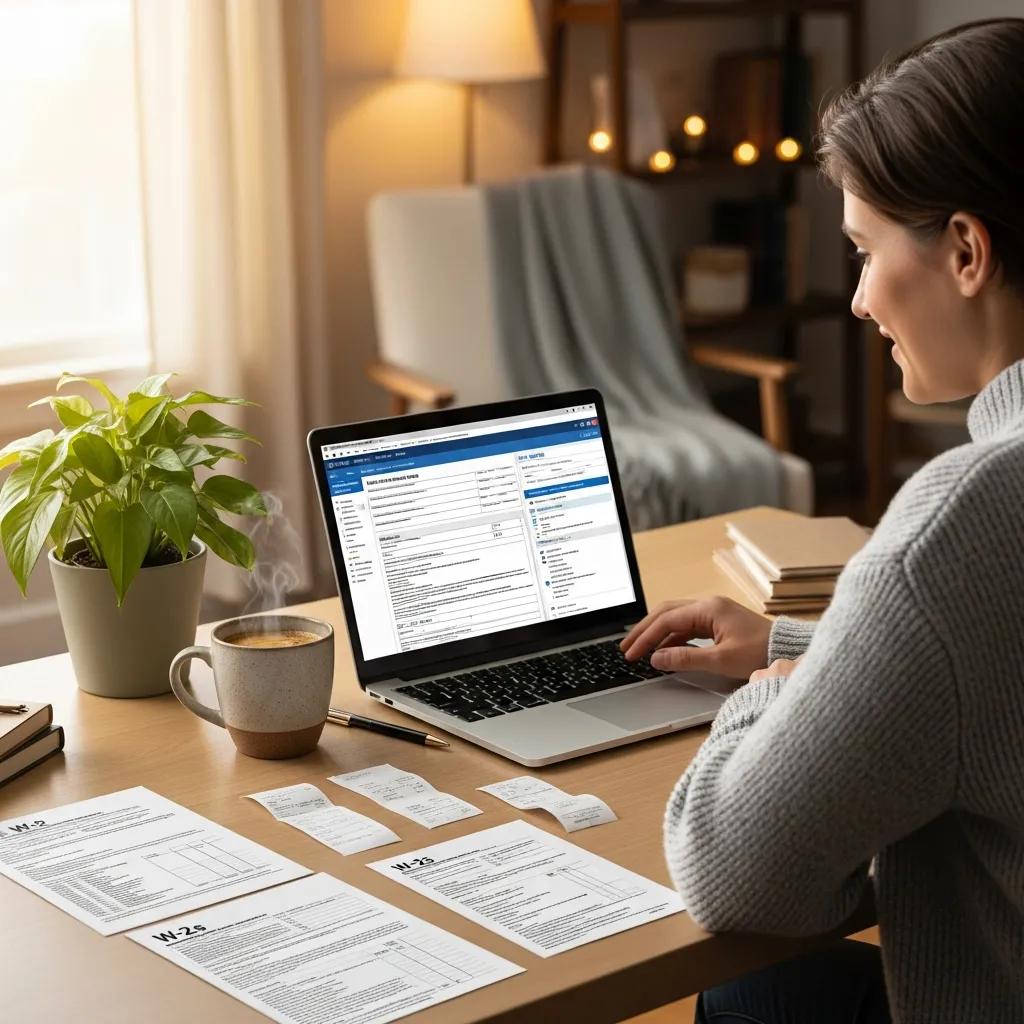
Simplify Your Taxes: Easy Steps for Stress-Free Tax Filing
How To File Canadian Taxes Step By Step: Easy Steps for Stress-Free Tax Filing

Filing taxes can often feel overwhelming, but with the right approach, it can be a straightforward process. This guide will provide you with easy steps for stress-free tax filing, ensuring you understand the key deadlines, necessary documents, and strategies to maximize your refund in Canada. Many individuals dread tax season due to the complexity and potential for errors, but by following a structured plan, you can alleviate much of that stress. In this article, we will cover essential tax filing deadlines, how to gather and organize your documents, ways to maximize your refund through deductions and credits, and tips to avoid common mistakes.
What Are the Key Tax Filing Deadlines and Requirements in Canada?

Understanding the key tax filing deadlines and requirements is crucial for a smooth tax season. The primary deadline for filing your Canadian tax return is April 30. However, if you or your spouse/common-law partner are self-employed, you have until June 15 to file your return, though any taxes owed are still due by April 30. It’s important to note that while an extension allows you to file later, it does not extend the time to pay any taxes owed.
Who Needs to File Taxes?
Anyone who earns above a certain income threshold is required to file taxes in Canada. This includes individuals, married couples, and dependents. It’s essential to assess your situation to determine if you need to file, as specific types of income or situations may have different requirements.
What Are the Important Tax Deadlines?
Here are the key tax deadlines for Canadians:
| Deadline | Description |
|---|---|
| February 28 | Deadline for employers to send T4 slips to employees |
| April 30 | Deadline for filing your Canadian tax return for most individuals and for paying any taxes owed |
| June 15 | Deadline for filing if you or your spouse/common-law partner are self-employed (taxes owed are still due by April 30) |
Missing these deadlines can result in penalties and interest on any unpaid taxes, so it’s vital to stay informed.
How To Gather and Organize Your Essential Tax Documents Efficiently?
Gathering and organizing your tax documents is a critical step in the filing process. By being proactive and systematic, you can ensure that you have everything you need when it’s time to file.
What Documents Are Needed for Stress-Free Tax Filing?
To file your taxes efficiently, you will need several key documents, including:
- T4 Slips: Provided by your employer, detailing your earnings and taxes withheld.
- Other Information Slips (T4A, T3, T5, etc.): For reporting income from various sources like pensions, investments, or other non-employment income.
- Receipts for Deductions and Credits: Such as medical expenses, charitable donations, RRSP contributions, and childcare expenses.
Having these documents organized will streamline your filing process.
How Can You Organize Tax Records Year-Round for Easy Access?
To keep your tax records organized throughout the year, consider the following strategies:
- Digital Storage: Use cloud storage solutions to keep digital copies of your documents accessible.
- Physical Folders: Create a filing system with labeled folders for different types of documents.
- Regular Updates: Set reminders to update your records monthly, ensuring nothing is overlooked.
By maintaining an organized system, you can reduce stress when tax season arrives.
How To Maximize Your Refund by Understanding Tax Deductions and Credits?

Maximizing your tax refund involves understanding the various deductions and credits available to you. Deductions reduce your taxable income, while credits directly reduce the amount of tax you owe.
What Are the Key Tax Deductions Available?
Some key tax deductions in Canada include:
- RRSP Contributions: Contributions to a Registered Retirement Savings Plan are deductible from your income.
- Child Care Expenses: Amounts paid for child care to allow you to work or go to school.
- Moving Expenses: If you moved for work or to attend post-secondary education.
- Employment Expenses: Certain expenses incurred for employment if your employer requires you to pay them and provides a T2200 form.
Understanding which deductions apply to you can significantly impact your tax liability.
Which Tax Credits Can You Claim to Reduce Your Tax Liability?
Several tax credits can help reduce your tax liability in Canada:
- Basic Personal Amount: A non-refundable tax credit that all individuals can claim.
- Canada Workers Benefit (CWB): A refundable tax credit for low-income individuals and families who are working.
- Child-related credits: Various provincial and federal credits may apply, though the Canada Child Benefit (CCB) is a direct benefit, not a tax credit claimed on your return.
- Medical Expense Tax Credit: For eligible medical expenses.
- Charitable Donations Tax Credit: For donations made to registered charities.
- Tuition Tax Credit: For eligible tuition fees paid to a post-secondary institution.
Claiming these credits can enhance your refund and lower your overall tax burden.
What Are the Easy Steps to File Your Taxes Stress-Free?
Filing your taxes can be straightforward if you follow a step-by-step process. Here’s how to do it effectively.
How To Choose the Best Filing Method: Software, Professional, or DIY?
When it comes to filing your taxes, you have several options:
- Certified Tax Software: Programs like TurboTax, Wealthsimple Tax, or H&R Block offer user-friendly interfaces and guidance for self-filing, often with options for NetFile (electronic filing with the CRA).
- Professional Help: Hiring a tax professional (e.g., an accountant or tax preparer) can be beneficial if your tax situation is complex or if you prefer expert assistance.
- DIY Filing: If your taxes are straightforward, you may choose to file manually using CRA forms, though electronic filing is generally recommended for speed and accuracy.
Choosing the right method depends on your comfort level and the complexity of your tax situation.
What Is the Step-by-Step Process to Prepare and Submit Your Tax Return?
To prepare and submit your tax return, follow these steps:
- Gather Documents: Collect all necessary tax documents (T4s, other slips, receipts).
- Choose Your Filing Method: Decide whether to use software, a professional, or file manually.
- Complete Your Return: Fill out the necessary forms accurately, ensuring all income and deductions/credits are reported.
- Review and Submit: Double-check your information for errors before submitting electronically via NetFile or by mail to the Canada Revenue Agency (CRA).
Following these steps will help ensure a smooth filing experience.
How To Avoid Common Tax Filing Mistakes and Penalties?
Avoiding common mistakes can save you time and money during tax season. Here are some pitfalls to watch out for.
What Are the Top Errors to Watch Out For When Filing Taxes?
Common errors include:
- Incorrect Information: Double-check names, Social Insurance Numbers (SINs), and bank account details for direct deposit.
- Missing Signatures: Ensure all required signatures are included on your forms if filing by mail.
- Math Errors: Use tax software to minimize calculation mistakes, as it often performs these automatically.
Being vigilant about these details can prevent delays and penalties.
What Happens If You Miss Tax Deadlines or Make Filing Mistakes?
Missing deadlines or making mistakes can lead to:
- Penalties: The CRA may impose fines for late filing or payment.
- Interest Charges: Unpaid taxes accrue interest over time.
- Amendments: You may need to file an amended return (T1-ADJ) to correct errors, which can be time-consuming.
Staying organized and aware of deadlines can help you avoid these issues.
How To Plan Year-Round for Stress-Free Tax Filing?
Planning throughout the year can make tax season much easier. Here are some strategies to consider.
How Can Adjusting Withholdings and Tracking Expenses Help?
Adjusting your withholdings (e.g., on your TD1 form with your employer) can ensure you are not overpaying or underpaying taxes throughout the year. Additionally, tracking your expenses, especially those that are deductible or eligible for credits, can help you identify potential savings, making tax filing smoother.
What Resources Help You Stay Informed on Tax Law Changes?
Staying informed about tax law changes is crucial. Consider these resources:
- CRA Website: The official Canada Revenue Agency site provides updates on tax laws and regulations.
- Financial News Outlets: Follow reputable Canadian news sources for the latest tax-related information.
- Tax Professionals: Consulting with a tax advisor can provide personalized insights and updates on changes that may affect your tax situation.
By utilizing these resources, you can stay ahead of changes that may affect your tax situation.


